
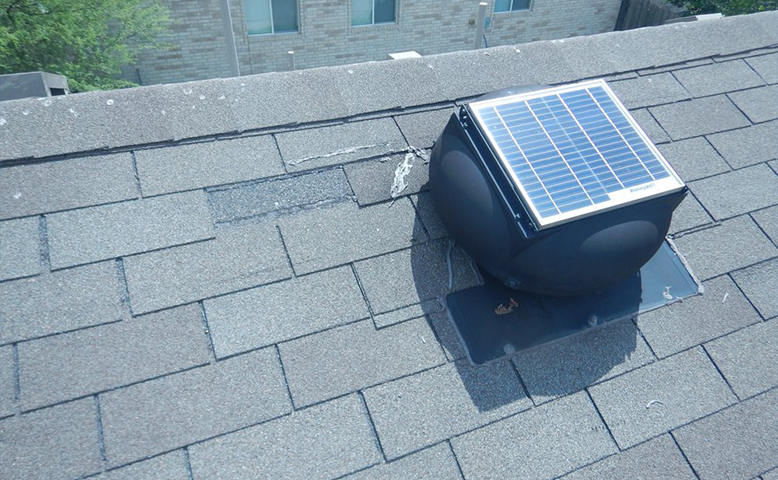
One of the most crucial sections of your home is the roof. It protects you and your family from the weather, keeps you secure, and makes your house look better overall. But even the strongest roofs can start to show signs of wear and tear over time. You will require a roof inspection here.
A roof inspection is important whether you want to buy a new house, sell your old one, or just make sure your roof is in good shape. It helps to find problems early on so they don’t get worse and cost a lot of money to fix. But what goes on during a roof inspection? And what can you expect when you make an appointment? Let’s go through it step by step.
Why Roof Inspections Matter
It’s important to know why roof inspections are important before going into detail. Homeowners can find small problems with their roofs before they become big concerns by having them checked regularly. A small crack or a missing shingle can be the beginning of a much larger issue, like leaks or water damage.
By investing in a roof inspection, you’re not only checking the state of your roof; you’re also protecting your home, belongings, and family. It’s like having your house checked out. The sooner you find a problem, the quicker and cheaper it is to cure, much like with your health.
What Happens During a Roof Inspection?
A roof inspection may seem like a simple task, but it’s a thorough process that involves checking for several key things. Below is a step-by-step look at what you can expect during the inspection.
1. Exterior Roof Examination
The first step in a roof inspection is to check the condition of the roof’s exterior. The inspector will:
- Check for damaged shingles: Check for shingles that are broken, curled, or missing. If you don’t fix damaged shingles right away, they could cause leaks.
- Inspect the roof flashing: Flashing is used to seal joints and prevent water from getting under the roofing material. You can frequently find it near vents, chimneys, and skylights. Flashing that is broken could cause leaks.
- Examine gutters and downspouts: Gutters should be free from debris and adequately secured. Water can pile up in clogged or broken gutters, which can hurt your roof and walls.
- Look for moss, algae, or lichen growth: These organisms can damage your roof’s surface and promote water retention, which can lead to leaks.
2. Inspection of the Roof’s Structure
Next, the inspector will assess the structural integrity of your roof. This involves:
- Checking the roof deck: The roof deck is the foundation of your roof. If it’s damaged, your entire roof may be at risk. The inspector will check for any signs of sagging, warping, or rot.
- Inspecting for proper ventilation: Good ventilation helps prevent moisture buildup, which can lead to the growth of mold or mildew. Your inspector will verify adequate airflow to maintain the good condition of your attic and roof.
- Evaluating the roof slope and pitch: The slope of your roof helps determine how water and snow will drain off. If the pitch is too low, water can pool, leading to leaks.
3. Checking for Leaks
Checking for leaks is one of the most important things to do during a roof inspection. The inspector will look for evidence of water damage, such as:
- Stains or discoloration on the ceiling or walls: This may be an indication of a slow leak, even if no water is visible on the surface.
- Dampness in the attic or around vents: Damp areas in your attic can point to hidden leaks in your roof.
- Waterproofing issues: The inspector will verify the integrity of waterproofing elements, including underlayment, to ensure they are intact.
4. Attic Inspection
The attic is a crucial part of the roof system. The inspector will go into the attic to:
- Check for insulation issues: Insulation helps regulate temperature and prevent ice dams. The inspector will verify that the insulation is in good condition.
- Examine the underside of the roof deck: The inspector will check the bottom of the roof deck for evidence of water, mold, or damage.
- Look for signs of pests or rodents: Pests can damage your roof and insulation, so it’s essential to ensure that your attic is pest-free.
5. Assessing the Condition of Roof Accessories
Lastly, the inspector will look at the roof’s accessories, including:
- Chimneys and skylights: Check for cracks or damage around these areas, as they can lead to leaks.
- Vents and pipes: Ensure that vent pipes and roof vents are intact and properly sealed.
How Long Does a Roof Inspection Take?
It can take anything from 45 minutes to a few hours to evaluate a roof, depending on how big and complicated it is. A smaller, simpler roof might be inspected in under an hour, while a larger or more complex roof could take longer. The inspector may also take their time to document everything and explain their findings to you.
What Happens After the Inspection?
After the inspection is over, you’ll get a report with the inspector’s findings. This report will include:
- A summary of the roof’s condition: The inspector will tell you how strong your roof is overall.
- Detailed information on any issues found: If the inspector identifies any damage or problems, they will provide details on the severity of the issue and recommend any necessary repairs or maintenance.
- Photographs: Some inspectors will include pictures to show you any issues with the roof visually.
How Often Should You Have Your Roof Inspected?
Most people say that you should have your roof checked at least once a year. If your roof is older or your area has extreme weather, you might want to arrange an inspection more often, though. Regular inspections keep your roof in good shape, which makes it last longer and keeps you from having to pay for expensive repairs in the future.
The Benefits of a Roof Inspection
- Catch problems early: You can find small problems with your roof before they become big, expensive ones by having it checked.
- Ensure safety: A roof inspection makes sure that your roof is safe and sound, which keeps you and your family safe.
- Upgrade the lifeline of your roof: Taking care of your roof and fixing it right away will help it survive longer, which can save you money in the long term.
- Boost home value: If you’re selling your home, a recent roof inspection can demonstrate to buyers that your roof is in good condition, potentially increasing the home’s value.
Conclusion
A roof inspection is an important step in maintaining the health of your home. Whether you’re a homeowner who wants to ensure your roof stays in top shape or you’re preparing to buy or sell a home, understanding what happens during a roof inspection can give you peace of mind.
The inspection covers everything from the state of your shingles to the overall condition of your attic. You can keep your property safe and sound for years to come by having annual inspections. This can also help you avoid expensive repairs.
If you’re looking for a trusted team to inspect your roof, Superior Pro Inspections, PLLC is here to help. Their experienced professionals will provide you with an honest and detailed assessment to ensure your roof is in excellent condition.at fits everyday life. In short, start the 5 habits this week, keep your plan simple, and reach out when you want extra help. You’ll keep school days, practices, and playdates running smoothly with clear steps and steady follow-through. We are here to help around the clock.